i am still rolling
«Porque sobrevivir es un asunto demasiado serio como para no reírse».
53 años entre clínicas y 36 en el set. No vendo milagros; entrego el inventario de quien aprendió a filmar mientras el mundo se venía abajo. No encontré una cura, pero sí el equipo de supervivencia para vivir a pesar del caos.
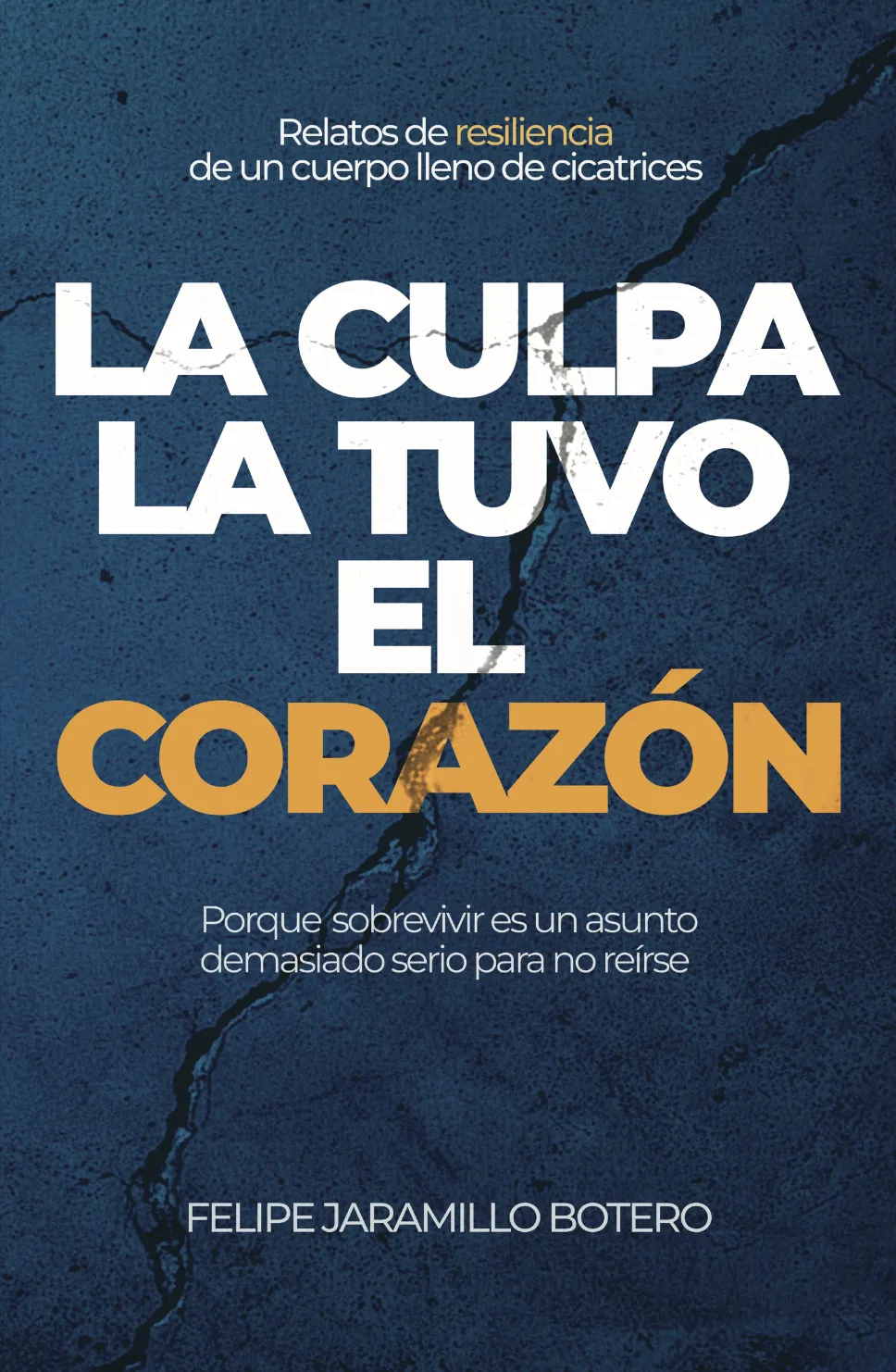
LA CULPA LA TUVO EL CORAZÓN
Si has llegado hasta aquí, es probable que tu guion se haya descarrilado. Tal vez un diagnóstico, una pérdida o una crisis te dejaron fuera de encuadre. Lo primero que tienes que saber es que este no es un libro para que te sientas bien; es un libro para que dejes de sentirte una víctima.
A través de mis propias crónicas de guerra clínica —53 años entrando y saliendo de quirófanos—, te abro mi bitácora personal. No te voy a dar consejos espirituales ni frases motivacionales vacías. Te voy a mostrar cómo el humor negro sirve de anestesia y la logística para no volverse loco cuando el set se está incendiando.
«La culpa la tuvo el corazón» es un mapa de edición de vida donde aprenderás a:
Retomar el mando: Cómo dejar de ser el «extra» que solo recibe malas noticias y volver a sentarte en la silla del director.
Editar el desastre: Cómo elegir qué partes de tu historia merecen quedarse en el montaje final y cuáles debes cortar para poder seguir rodando.
Vivir con la incertidumbre: Cómo operar con precisión incluso cuando no sabes si habrá una siguiente toma.
Es la conversación honesta, cruda y divertida que yo mismo necesité y no encontré en ninguna librería.
¿Fuera de Colombia?
Haz clic en el botón para ir a Amazon y busca: «La culpa la tuvo el corazón»
(o búscame como Felipe Jaramillo Botero).
Está disponible en tapa blanda o para Kindle (KDP)
Pago por Bre-B (transferencia):
Entra desde tu aplicación del banco y pones la llave... : [email protected]
Confirmación:
Cuando ya hayas hecho la transferencia, mándame el pantallazo a mi correo, junto con tu dirección para poder hacerte llegar el libro.
Costo del libro: El costo del libro es de $60.000.oo
***
Envío grátis en Cali y Bogotá
Otras ciudades: favor agregar $12.000.oo
O si prefieres, ya está disponible en la

Kit de supervivencia
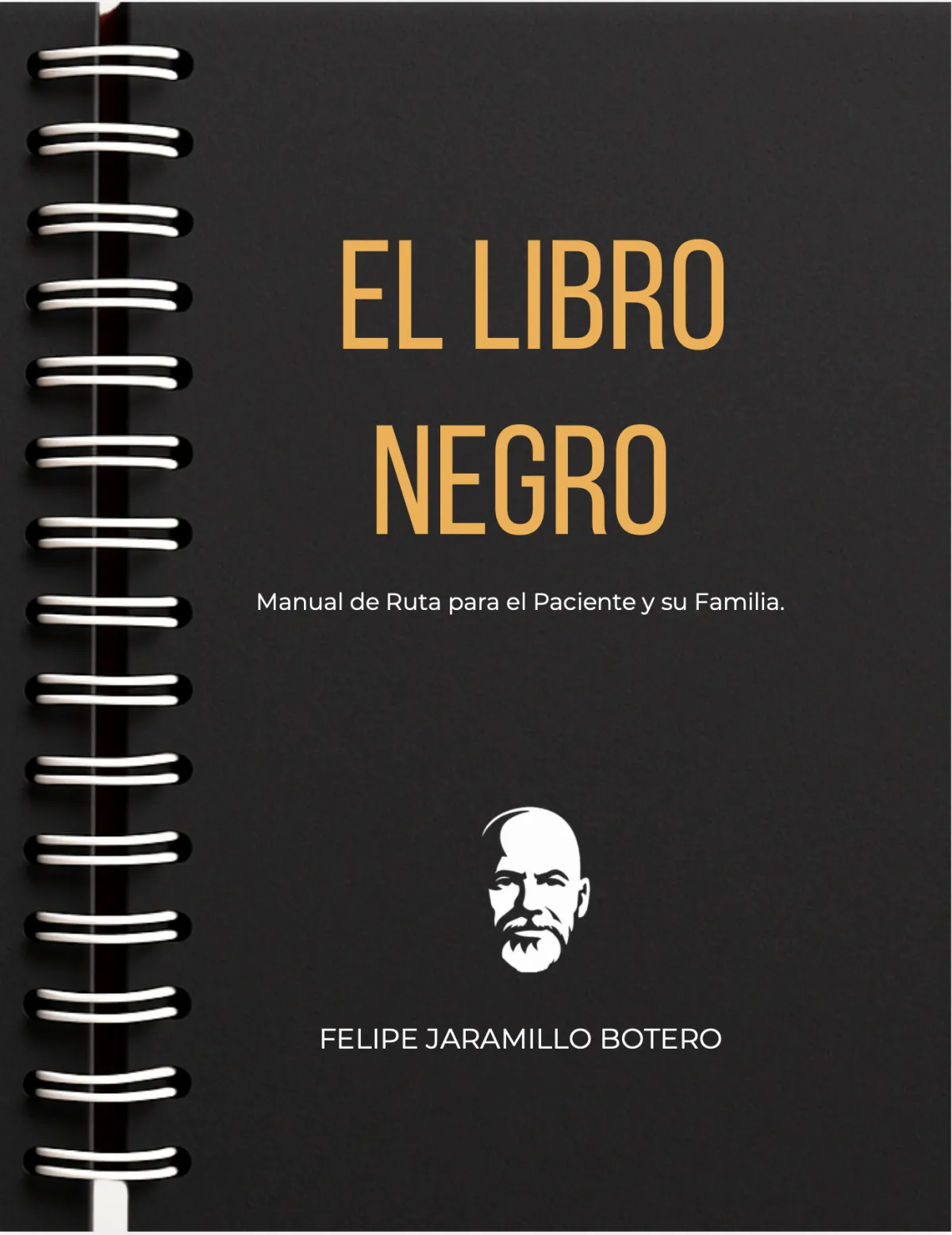
«EL LIBRO NEGRO» es el Manual de ruta para el paciente y su familia.
Si el primer libro es la filosofía para no rendirse, el Libro Negro es el plan de escape. Es una guía operativa diseñada para que dejes de ser ese cuerpo pasivo que solo recibe pinchazos y asumas el control de tu propia estancia.
Aquí aprendes a "domar" especialistas difíciles, a convertir tu habitación en un búnker donde todavía mandas tú y a ponerle bozal a los familiares que vienen con consejos que no pediste. Es la herramienta para que tú te encargues de lo importante —sanar— mientras este manual se encarga de la logística y de esquivar la burocracia que te quiere devorar.
Porque en una clínica, el que no tiene un plan, acaba siendo parte del inventario de la institución.
Reescribamos tu historia
CONFERENCIAS:
El arte de seguir rodando
«De la teoría a tu set real»
A veces, el guion se va al carajo. Lo he visto en sets de rodaje con presupuestos millonarios y lo he vivido en salas de cuidados intensivos donde el presupuesto era mi propia vida.
No vengo a darte una charla de motivación barata ni a decirte que "querer es poder". Vengo a contarte cómo, después de 36 años dirigiendo cine y décadas habitando hospitales, aprendí que la incertidumbre no se evita, se gestiona.
Ya sea frente a una crisis corporativa o ante un diagnóstico que te cambia el tablero, mi historia es una invitación a dejar de ser un "extra" en tu propio drama para convertirte en el Protagonista de la solución. En estas charlas comparto las herramientas tácticas que me han servido para armar equipos de soporte, mantener el timón bajo presión y encontrar el humor justo donde otros solo ven tragedia.
Al final, no importa qué tan difícil sea la escena que te toca filmar hoy; siempre hay una forma de reescribirla.
¿Hablamos y te cuento cómo?
"1" TEDx Talk
La culpa la tuvo el corazón
https://www.ted.com/talks/felipe_jaramillo_botero_la_culpa_la_tuvo_el_corazon
+35
Años como director de cine.
https://www.felipejaramillobotero.com
+53
Años como sobreviviente.
¿Por qué «I am still rolling»?
En los sets de cine, cuando el director grita «Rolling», la ficción cobra vida y ya no hay marcha atrás. En otros círculos más psicodélicos, el término describe el viaje eufórico que produce una droga. Pero en mi realidad, ese grito dejó de ser una orden técnica o un escape alucinógeno para convertirse en parte de la guerra.
Para un tipo que ha pasado 53 años esquivando el corte final en una sala de cirugía, «I Am Still Rolling» es la respuesta cruda al caos. No es un eslogan de autoayuda ni una invitación a la evasión; es la negativa rotunda a apagar la cámara cuando el set se incendia.
Elegí este nombre porque mientras el mundo se distrae con filtros o sustancias, yo he tenido que aprender a mantener el mando bajo la luz fría de un quirófano. Mi "traba" han sido las anestesias y mi guion, la supervivencia pura. Sigo rodando porque, después de tantas cicatrices, entendí que sobrevivir es un asunto demasiado serio como para no reírse de él, y porque mientras haya pulso, el director no suelta la cámara.
FAQs
El detrás de cámara
Para los que se preguntan sí...
¿Soy un «Life Coach»?
Ni de fundas. No tengo certificados colgados en la pared y no te hablaré en ese lenguaje místico y pretencioso. Soy un director de cine y publicista que casi se muere y aprendió, por las malas, que el corazón es el que manda. Si buscas a alguien que te diga «tú puedes» con música zen de fondo, estás en el set equivocado.
¿Esto es como una terapia?
Solo he ido a terapia de pareja, así que no soy experto en psicología clínica. Pero pasé meses escribiendo un libro titulado «La culpa la tuvo el corazón», que fue, básicamente, mi versión de una lobotomía sin anestesia. Escribir mi historia fue la terapia agotadora que he tenido.
Lo que hacemos aquí es algo diferente. Piénsalo más bien como una entrevista para un documental. Mi papel no es diagnosticarte, sino guiarte a través de tu propia historia haciendo las preguntas que nadie más se atreve a hacer. Nos sentamos a revisar los dailies de tu vida: el material crudo y sin filtrar de tu realidad actual. Este proceso está diseñado para tocar los nervios delicados, porque es la única forma de descubrir lo que no te has atrevido a decirle a nadie más. Yo no te doy las respuestas; te ayudo a encontrarlas editando el ruido y enfocándome en la verdad.
¿Soy de los que dicen que «todo va a estar bien»?
No. Estar enfermo es una m*erda y no tiene nada de amable. Pero aquí está la verdad, según mi experiencia: una enfermedad crónica o mortal puede darte una ventaja injusta sobre los demás. Te obliga a ver, por las malas, que lo que tienes es especial y que la vida vale absolutamente la pena, sin importar cuán oscuro se vea el set.
Se trata de encontrar ese incentivo real que te mueva la aguja. Algunos lo llaman «rayo de luz», pero aquí no buscamos un cliché; buscamos el motor que te saca del fango. Para mí, fueron mis hijos. Si aún no tienes un incentivo como el mío, nuestro objetivo es encontrar el tuyo. No estamos aquí para contar chistes y olvidar el dolor; estamos aquí para darle sentido a lo que sucede, para que el sufrimiento deje de ser un ruido sin sentido y se convierta en tu mayor fortaleza.
¿Hablo de religión o medicina?
No soy médico ni gurú. Aunque respeto profundamente a la profesión médica —ellos son quienes mantuvieron mi cuerpo unido—, no doy consejos médicos. Mi enfoque es estrictamente táctico: qué hacer cuando la salud falla y cómo mantener el humor cuando los informes clínicos dicen que deberías estar llorando.
En el plano espiritual, soy católico y creo en un Poder Superior. Estoy abierto a discutir estos temas si lo deseas; después de todo, es tu tiempo. Respeto profundamente las creencias de cada quien; estoy convencido de que sin la «ayuda celestial» y las oraciones de mi familia, no estaría aquí hoy.
Sin embargo, mi línea roja es el fanatismo. No estoy aquí para convertirte ni para que me conviertas. Podemos hablar de la medicina como una realidad y de la fe como una herramienta de alivio, pero nos mantenemos alejados de los dogmas.
¿Qué puedo esperar después de hablar conmigo?
No te irás con todos tus problemas resueltos, pero tendrás una perspectiva diferente y un plan de acción real. Te irás sintiendo que, aunque el guion se puso difícil, todavía tienes algo que decir en la historia.
Además, encontrarás un espacio para hablar de lo que no te atreves a mencionar en casa: un lugar de honestidad total, sin el peso de las expectativas familiares. Y aquí está mi garantía personal: si en algún momento sientes que esto no es para ti o que estamos perdiendo el tiempo, dímelo. Valoro tu tiempo y tu proceso demasiado como para que nos quedemos estancados. Si no estamos moviendo la aguja, detenemos la producción ahí mismo. Sin resentimientos.
i am still rolling
SUPPORT
LEGAL
FOLLOW US


